



Taking care of your skin during cancer: what to know
Cancer treatments have many physical side effects, including deep skin damage. Fortunately, today there are solutions to relieve these side effects and allow you to approach your treatment in complete serenity, for a more comfortable recovery and a boosted self-esteem.
What are the side effects of cancer treatments?
In recent years, it is possible to see that different treatments against cancer (surgery, chemotherapy, radiotherapy, hormone therapy, immunotherapy, targeted therapies, etc.) are increasingly efficient and offer new perspectives. To patients affected by cancer. This is possible thanks to the technological and scientific research and scientific advances.
Although more and more advanced and innovative, these treatments nevertheless have side effects in most patients. Thus, 2 out of 3 patients say unwanted skin changes such as: skin drought, radiodermite, hands-foot syndrome, folliculitis ... all chemotherapies are not alpoitic, however the fall Hair is one of the most important physical side effects of cancer treatment. Very dreaded, this hair loss is generally accompanied by an unpleasant sensation on the scalp and is more or less important depending on the profiles.
The drought is also one of the most observed physical consequences during chemotherapy. This drought is manifested on the skin of the face but also on the whole body. It is linked to the alteration of the skin barrier. Indeed, chemotherapy makes it possible to act against the multiplication of cancer cells ... but at the same time slows the regeneration of healthy cells. The phenomenon of regeneration of the cells being essential to maintain a healthy cell structure, the skin then becomes much more fragile and shows signs of drought. The upper layers of the dermis are struggling to retain water and episodes of desquamation and itching may appear. If this skin drought is not treated, it can get worse and cracks can grow at the ends of the fingers, on heels, etc.
It can also happen that this upheaval linked to the alteration of the skin barrier causes push of buttons. These eruptions can occur very early during treatment and appear on the face, neck, shoulders, torso and upper back.
Nails are particularly affected by most anticancer treatments such as chemotherapy, radiotherapy or hormone therapy. They can then become dry and brittle, to discolor or present streaks and spots. Finally, the labor syndrome is part of the side effects due to certain chemotherapy molecules and targeted therapies. It is an inflammatory reaction that results in redness, swelling and incorporation and burning sensations on members in the palm of the hands and the soles of the feet. Main-foot syndrome can reach different stages of evolution and gravityOccasionally, cloques, crevasses and skin drought can also be noticed on the areas concerned. Dry skin can thicken in places and have episodes of desquamation. In some cases, the labor syndrome can even affect the patient's daily life by making the use of these difficult members: walking becomes painful and some gestures require more effort. It is not possible to know in advance how this syndrome can evolve individually, but it should be noted that the magnitude of these effects may vary depending on the dosage and duration of the patient's treatment. This inflammatory reaction can be explained by the weakening of the blood vessels of the hands and feet when administrating cures of chemotherapy.
Beyond the physical inconvenience that these side effects can trigger, these skin problems can also have a psychological and emotional impact on patients. Feel good in his body and limit discomfort due to these adverse effects allows patients to focus on their treatment. In addition, these skin changes can be often warned, or at least relieved, thanks to targeted dermo-cosmetic care. It's important to react during the appearance of the first symptoms in order to slow down their evolution, and talk to the health care team that will best advise you to relieve this discomfort. If these side effects persist and disrupt your daily life, do not stop your treatment and discuss it with your carcologist to find a solution that will allow you to adapt your treatment.
What cosmetic solutions to relieve your skin problems?
During anti-cancer treatments, your body is tired: your skin is weakened and sensitized. She needs more comfort and nutrition and so you need to adapt your care routine accordingly.
To prevent phenomena of xerosis, irritation, cracks and itching, consider yourself to turn to gentle and rich care in nourishing and repairers (such as aloe vera, shea butter, etc.).
The Neutral Cream Coslys is a care formulated to take care of the most sensitive and fragile skins: its enveloping texture, non-greasy and fragrance will make its application a real moment of pleasure. Your skin is instantly soothed, and it finds well-being and comfort. Its composition rich in natural ingredients goes wide, and does not contain controversial or known assets for their irritating potential. For more comfort, neutral care cream contains in particular from organic and French flax seed extracts to soothing properties. Thus the cream gradually decreases areas of drought, irritation and redness for maximum comfort. Apply a nourishing care will help relieve damage related to dryness of your skin but also strengthen your skin barrier. That's why it's important to generously apply your care for the morning and evening body (or more often if you feel needed) and not let these skin problems settle.
Also remember to apply solar protection everyday: Anticancer treatments can be photosensitizing. These effects continue even after stopping treatments, you will need to be careful not to expose your skin to the sun without protection. While waiting for your body to purge the latest toxins of your chemotherapy, choose a sunscreen with a high SPF and avoid browning you in the sun so as not to undergo skin reactions or burns. If you want to enjoy the outdoors in the summer season, favor light but rope (linen clothes for example).
Protecting your weakened skin: good gestures to adopt
Take care of your skin during (and after) your cancer treatment goes through a care ritual adapted to your new concerns, but also by a new gesture.
For preserve your hair and your skin maximumYou will have to acquire new reflexes. Think to preserve your scalp potential aggression by maximizing your use of heated devices (hair dryer, iron, ...). Also limit your exposure to UV rays and cover your head when doing outdoor activities. If you want to relieve unpleasant sensations at the scalp that can accompany chemotherapy, you are advised to regularly massage your skull. This will also allow you to stimulate blood circulation and soothe itching.
For daily hygiene prefer washing products without soaps, hypoallergenic and with sweet silent washing bases without sulphates. The neutral washing gel presents the advantage of being used for both body, hands and hair and suitable for all the family.
The hands, which are particularly affected by skin drought and by the labor syndrome, demand special care and attention. Thus, you are recommended that you do not handle too aggressive detergent products for your epidermis such as the dishwashing liquid or laundry for handwash. Systematics The port of protective gloves for all activities likely to damage your hands: gardening, dishes, cleaning, manual work, etc.
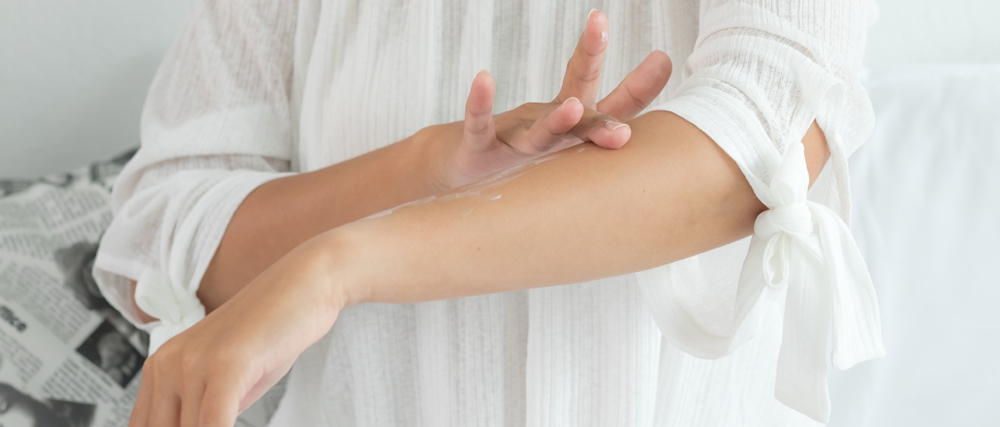
Finally, do not forget to apply a nourishing care on the face and the body twice a day and more if you feel that this is necessary, in case of tugging, desquamation or discomfort. Apply a generous layer and make circular movements to stimulate asset penetration. Your skin can enjoy all the benefits of your nourishing cream.